Planning for 2027? Join the priority list.
Get first updates5 Ways Bilingual Camps Give Kids an Academic Edge
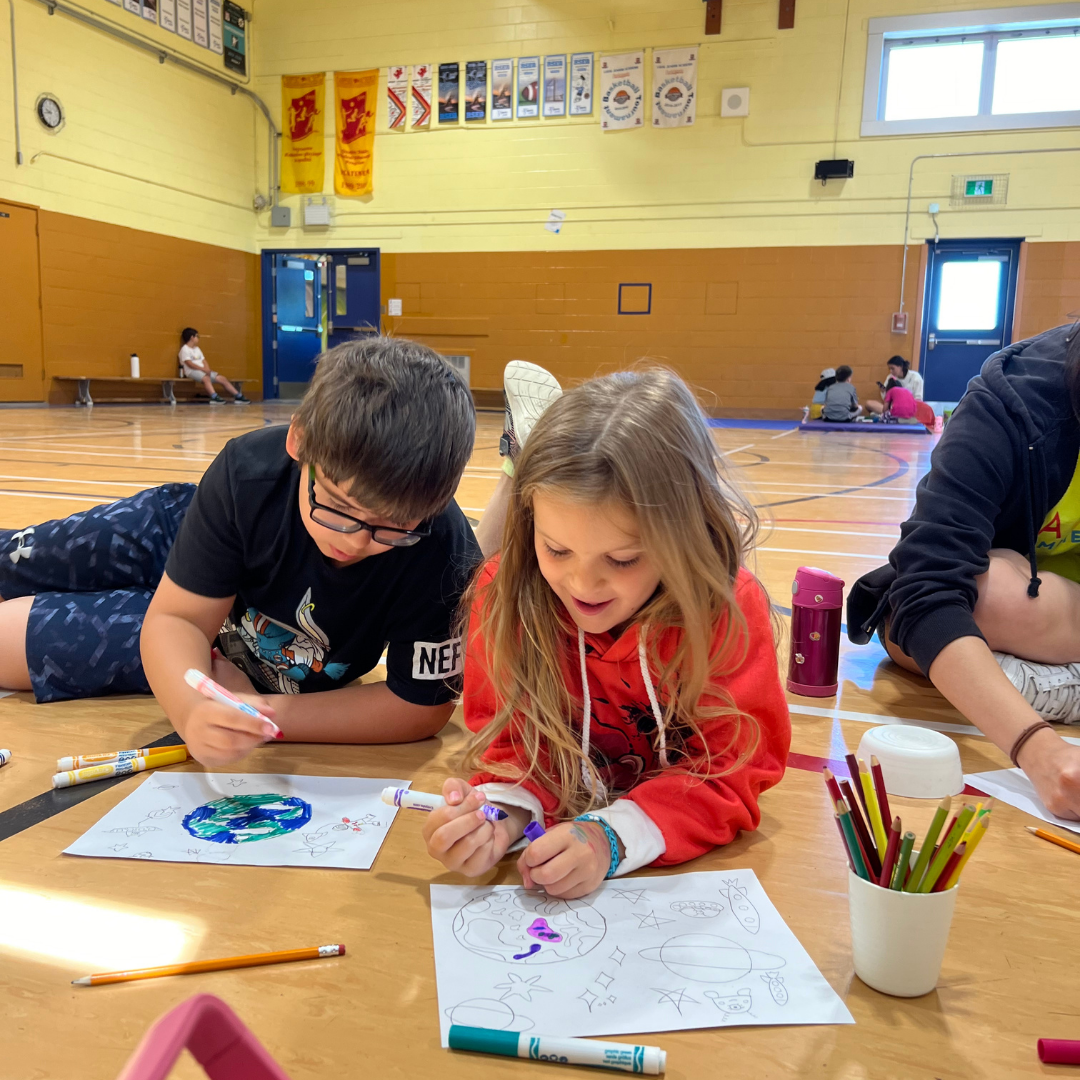
Montreal is one of the most bilingual cities in the world, and Laurus embraces that reality by offering genuine French-English immersion throughout the camp day. Research from McGill University and other institutions consistently shows that children who engage in bilingual environments develop stronger executive function, better problem-solving abilities, and greater cognitive flexibility — advantages that extend well beyond language class.
At Laurus, bilingualism is not a separate subject; it is embedded in every activity. Morning announcements happen in both languages, arts and crafts instructions alternate between French and English, and sports coaches naturally switch languages depending on the group. Children absorb vocabulary and sentence structures organically, in contexts that feel fun rather than academic. For many campers, this is the first time they use their second language outside the classroom, and the confidence boost is immediate.
The academic benefits are well-documented. Bilingual children tend to score higher on standardized tests in reading and math, not because they know two languages, but because bilingualism strengthens the brain's ability to focus, filter distractions, and switch between tasks. These cognitive gains are especially pronounced when language exposure happens in active, social settings — exactly the kind of environment a day camp provides.
Beyond academics, bilingual camp experiences prepare children for life in a diverse society. Campers learn to communicate across language barriers, develop empathy for peers who are still learning, and build friendships that cross cultural lines. For families raising children in Montreal's unique linguistic landscape, a bilingual camp is not just an enrichment option — it is an investment in their child's social and intellectual future.
Planning Ahead for Laurus 2027?
Join the priority list for first access to preferred cities, weeks, activity updates, and confirmed registration details.